What Airlines Look for in Future Commercial Pilots
Ask ten aspiring pilots what airlines want, and most will start with the obvious answer: flight hours. They are not wrong, but they are not telling the whole story either. Airlines absolutely need pilots who can meet the regulatory minimums and handle complex aircraft safely. Yet when recruiters, chief pilots, training captains, and interview panels talk candidly, a different picture emerges. They are not searching for a logbook alone. They are looking for a professional they can trust in a high-consequence environment, on a bad weather day, after a schedule disruption, with tired passengers in the back and a captain or first officer they have never flown with before.
That distinction matters because many future pilots spend years chasing only the measurable pieces. They fixate on the total time, the multi-engine time, the simulator score, the résumé line. Those things count. Still, hiring decisions often turn on qualities that are less glamorous and harder to fake: judgment, consistency, humility, communication, resilience, and the ability to learn quickly without bringing ego into the cockpit.
Airlines do not need daredevils. They do not even need “natural-born aviators,” whatever that phrase is supposed to mean. They need disciplined operators. If you want to build a career that leads to the right seat and eventually the left seat of a commercial airliner, it helps to understand what the industry actually values when the interview room door closes.
Safety judgment comes before stick-and-rudder flair
Aviation attracts ambitious flight school people, and ambition is useful. It pushes pilots through long training days, expensive ratings, and years of low-paid time building. But airlines are far more interested in your judgment than in your appetite for risk.
A future airline pilot must show a habit of conservative decision-making. That does not mean timid flying. It means choosing the stable approach over the heroic save, the diversion over the marginal landing, the go-around over denial. Airlines know that almost every accident chain starts with a pilot pressing ahead after the situation has already started to unravel. The person who recognizes that early and changes course is the person they want on the line.
You can see this in the kinds of questions interviewers ask. They often probe not for a dramatic story, but for your thinking process. Tell me about a time you made a conservative call. Tell me about a time you discontinued an approach. Tell me about a time you disagreed with another pilot. Those questions are not traps. They are windows into whether you are willing to protect the operation even when it is inconvenient, embarrassing, or costly.
Pilots who have instructed for a while often develop this instinct well. They have watched weather deteriorate in real time, managed student stress, and learned how quickly a routine flight can become unstable. Banner towing, charter, survey, medevac, and regional flying can teach the same lesson, though sometimes the pressure is sharper. The airlines know that experience in demanding environments can be valuable, but only if the pilot has learned the right lesson from it. “I got the job done” is not always impressive. Sometimes it is a warning sign.
Trainability is one of the most prized traits in aviation
Every airline has a system. Even highly experienced pilots must learn standard operating procedures, callouts, flows, automation philosophy, checklist discipline, and company culture. That means a pilot who arrives with thousands of hours but poor training habits may be less attractive than one with fewer hours and a stronger learning mindset.
Trainability sounds soft, but it shows up in very concrete ways. Can you accept correction without defensiveness? Can you adapt when your preferred method is not the company method? Can you study consistently, not just cram? Can you absorb technical material while also improving crew coordination and cockpit discipline? Initial airline training moves fast. The people who succeed are rarely the loudest or most naturally gifted. More often, they are the ones who prepare thoroughly, listen carefully, and make steady improvements every session.
Instructors and check airmen notice this immediately. A pilot who says, “Understood, I’ll tighten that up on the next leg,” inspires confidence. A pilot who argues every debrief point does not. Airlines know they can teach aircraft systems and procedures. It is much harder to teach humility and coachability to someone who has spent years defending every mistake.
There is also a practical side to trainability. Modern airline operations involve constant change. New avionics updates, revised procedures, schedule changes, changing regulatory guidance, airport construction, route expansion, and recurrent training all require adaptability. A pilot who believes training ended with the commercial checkride will struggle. A pilot who treats learning as a permanent part of the profession is far more valuable.
Technical competence still matters, just not in the way many people think
No airline wants weak flying skills. A pilot must demonstrate sound aircraft control, instrument proficiency, situational awareness, and systems understanding. But technical competence is broader than hand-flying a smooth ILS or reciting memory items.
Airline flying is procedural, highly standardized, and deeply tied to threat management. Recruiters and training departments want pilots who can build a stable mental model of a flight. They want someone who is ahead of the airplane, monitoring automation rather than worshipping it, catching small deviations before they become large ones, and understanding why a procedure exists instead https://aeloswissacademy.com/programs/skyalps-mpl-program/ of simply memorizing it.
Raw skill can be overrated if it is not paired with discipline. A pilot who can hand-fly beautifully but skips checklist challenges, misses altitude constraints, or fails to brief clearly is not airline material yet. By contrast, a pilot whose hand-flying is solid, whose instrument scan is dependable, and whose cockpit habits are clean often transitions very well into airline operations.
That is why many hiring managers care about the quality of your experience, not just the quantity. Eight hundred hours of serious IFR exposure can sharpen a pilot more than a larger block of repetitive fair-weather flying. A pilot who has worked through winter operations in the Northeast, mountain weather in the West, or congested terminal airspace around major hubs has likely had to build better habits than someone who has flown mostly simple routes in benign conditions. Hours still matter, but context matters almost as much.
Crew resource management is not a buzzword, it is the job
A surprising number of aspiring pilots still imagine airline flying as a technical contest between pilot and machine. In reality, it is a team sport. Every flight depends on communication between captain and first officer, between cockpit and cabin, between crew and dispatch, between pilots and maintenance control, ramp, operations, and air traffic control.
Airlines therefore look closely at how future pilots function with others. Can you speak up early? Can you challenge respectfully? Can you listen when another crewmember sees something you missed? Can you avoid turning minor tension into a cockpit problem?
The best first officers are not silent passengers in uniform. They monitor, question, cross-check, and support the operation. The best captains do not dominate for the sake of status. They set a calm tone, invite input, and make clear decisions when needed. Airlines want people who can grow into both roles.
This becomes even more important because airline pairings are rarely fixed. You may fly with a different person every trip, sometimes every leg. Some crews click instantly. Others require effort. Professionalism fills the gap. That means arriving prepared, briefing clearly, keeping your communication concise, and never allowing personality to interfere with safety.
A candidate with a history of conflict, arrogance, or poor cockpit demeanor can look risky even if their flying record is otherwise strong. A recruiter may forgive a shaky early training story more readily than a pattern of difficult behavior, because technical skill can improve with training, while corrosive habits can damage the entire crew environment.
Airlines notice professionalism long before the interview
The airline industry is large, but it is not anonymous. Reputations travel quickly. That does not mean a single mistake ruins a career. It does mean your habits in flight school, instructing, regional operations, or charter work can quietly shape how people view you.
Professionalism starts with the basics. Do you show up on time? Is your paperwork in order? Are your logbooks accurate, clean, and defensible? Do you answer messages promptly? Do you present yourself well? Those details sound ordinary because they are ordinary, and that is the point. Airline flying depends on repeatable reliability. If a candidate cannot manage simple administrative responsibilities, employers start to wonder how they will handle a real line operation.
It also extends to how you talk about others. Interviewers pay attention when a pilot blames former instructors, former employers, air traffic control, maintenance, or “the system” for every setback. Mature professionals can describe a hard situation without sounding bitter. They can admit where they came up short. They can explain what they changed afterward. That signals accountability, which is central to aviation safety culture.
One chief pilot I once heard speak at a hiring event said he was less interested in polished answers than in “evidence of adult behavior under pressure.” That phrase stuck with me because it captures the heart of professionalism. The cockpit is full of pressure. Weather pressure. Time pressure. Passenger pressure. Upgrade pressure. Fatigue pressure. If your standards collapse whenever the day turns ugly, the rest of your résumé stops mattering.
A clean record helps, but context matters
Future pilots often worry most about blemishes, and understandably so. Checkride failures, training delays, minor certificate actions, academic stumbles, or gaps in flying can all raise questions. Airlines notice them, but they do not always treat them as disqualifying. What matters is pattern, seriousness, recency, and response.
A single early checkride failure, followed by strong performance and a thoughtful explanation, is not the same as repeated failures across multiple ratings. A speeding ticket is not the same as a history of reckless behavior. A medical issue that has been properly addressed and documented is not the same as evasiveness or incomplete disclosure.
What airlines strongly dislike is concealment, excuse-making, or a lack of growth. If something is in your background, own it plainly. Explain what happened, what you learned, and what changed in your preparation or behavior afterward. Honest accountability tends to land better than a perfectly polished story that sounds rehearsed.
This is where many applicants help themselves simply by being direct. The industry understands that young pilots are still developing. What it wants to see is a trajectory toward maturity. If your record shows improvement, steadier judgment, and better discipline over time, that often carries weight.
Mental resilience separates the durable from the merely talented
Commercial aviation can be rewarding, but it is not gentle. The path in is expensive, training is demanding, schedules can be rough, upgrades come with pressure, and the industry itself moves in cycles. Hiring booms are followed by slowdowns. Medical concerns can interrupt plans. Family strain is common. Fatigue is real. There will be days when you question whether the sacrifices make sense.
Airlines know this, so they look for resilience, not just enthusiasm. They want pilots who can absorb setbacks and keep performing. That may mean rebounding from a failed sim event, returning after time away from flying, handling a base transfer, or adjusting after a difficult operational event. Resilience does not look like bravado. More often, it looks like composure and persistence.
You can usually hear it in how pilots talk about their journey. Some speak only in terms of speed, seniority, and aircraft type. Others show a deeper steadiness. They understand that aviation careers are long, sometimes uneven, and built by people who can recover without becoming cynical. That second group tends to fare better over time.
There is a persuasive reason to take this seriously. Airlines are not hiring for a single simulator ride. They are hiring for decades of line flying, recurrent checks, changing fleets, and eventually leadership responsibilities. They want people who can still function professionally after the novelty wears off.
The strongest candidates usually share a handful of visible habits
There is no universal blueprint, but over time certain patterns show up again and again among successful applicants.
- They prepare thoroughly and consistently, rather than relying on talent to bail them out.
- They communicate clearly, especially when something is ambiguous or going wrong.
- They own mistakes without drama and fix them quickly.
- They respect standardization, even when they have prior experience doing things differently.
- They treat everyone in the operation as part of the safety chain, not as supporting cast.
None of those habits are flashy. That is exactly why they matter. Airlines run on disciplined routine. The candidate who understands that tends to earn trust faster.
Leadership begins long before captain upgrade
Many pilots assume leadership becomes relevant only when they apply for captain. Airlines do not see it that way. They look for early signs of leadership in first officers, instructors, and even students.
Leadership in aviation is not about volume or charisma. It is about influence under pressure. A first officer who notices a rushed setup and says, “Let’s slow down and reset the box before the descent,” is showing leadership. An instructor who protects a struggling student from being pushed too fast is showing leadership. A pilot who helps standardize procedures in a flight school or mentors junior colleagues is showing leadership.
This matters because the airline environment constantly creates small moments that require initiative. Irregular operations, diversion planning, maintenance delays, passenger medical issues, gate changes, dispatch revisions, weather reroutes, and crew swaps all test whether a pilot can contribute constructively. Passive pilots create extra workload for everyone around them. Airlines prefer people who can make the operation better without overstepping.
Leadership also includes emotional steadiness. A calm cockpit voice during a messy arrival can do more for safety than any speech about command. Future captains are often identifiable years before they upgrade because they already bring that steadiness to the crew environment.
Cultural fit matters more than applicants expect
Every airline has a personality. Some are more formal, some more entrepreneurial, some more process-driven, some more legacy-oriented. All of them care about safety and standardization, but the day-to-day culture can differ. Airlines are quietly assessing whether a candidate will fit into that environment without friction.
That does not mean there is one personality type that gets hired. It means authenticity matters. Applicants who have done their homework usually stand out because they understand the carrier’s operation, values, route structure, and expectations. They are not reciting slogans. They can explain why that particular airline suits the kind of pilot they want to become.
This is one of the simplest ways to strengthen an application, yet many people underuse it. They spend endless hours polishing technical study guides while giving little thought to the airline itself. Recruiters notice. A candidate who can discuss the company intelligently, without flattery, often sounds more credible and more committed.
What aspiring pilots should do now, not later
The best time to become the kind of pilot airlines want is long before you hit the hiring minimums. By the time you are building time as an instructor, flying charter, or preparing for your ATP, your habits are already visible.
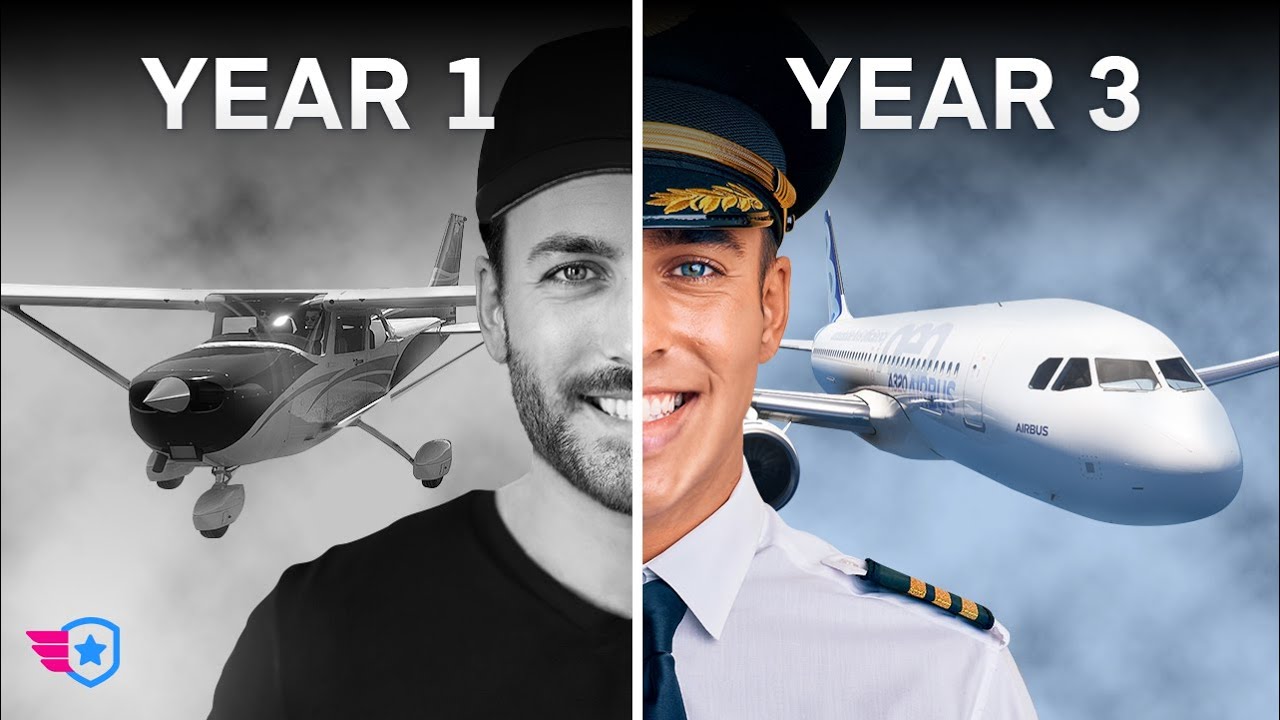
A useful way to think about it is this: every stage of your training is an audition for the next stage. Your private training shapes your discipline. Your instrument training shapes your scan and procedural habits. Your commercial work shapes your precision. Instructing or line flying shapes your judgment and crew communication. Nothing is wasted if you approach each phase as professional development rather than as a box to tick.
There are a few practical ways to accelerate that growth.
- Keep your logbooks, records, and applications meticulous from the start.
- Build a reputation for being prepared, calm, and easy to work with.
- Seek flying that stretches judgment, not just time totals.
- Ask for honest feedback from instructors, captains, and check airmen.
- Fix small professionalism problems before they become identity-level habits.
What makes these steps persuasive is that they are within reach. You do not need family connections, a perfect path, or unusual luck to become a stronger airline candidate. You need consistent standards, honest self-assessment, and the willingness to act like a professional before someone hands you the title.
The real hiring test is trust
Strip away the acronyms, hour thresholds, interview prep courses, and simulator evaluations, and one question remains: would this airline trust you with its passengers, its crews, its aircraft, and its reputation?
Trust is built from many pieces. Technical competence is one of them. So are judgment, communication, professionalism, resilience, and humility. A pilot who brings all of those qualities is not merely employable. That pilot is promotable, dependable, and likely to thrive through the full arc of an airline career.
That should be encouraging. It means the path is not reserved only for the most naturally gifted or the most connected. Airlines are looking for professionals who can be counted on. If you focus on becoming that person, hour by hour, flight by flight, you give yourself a far better chance than any shortcut ever could.